SaaSGrid is now Grid! Read about our evolution here.
Stripe is still a very good payments product. For a lot of companies, it’s the fastest way to start charging customers and the easiest way to get a modern checkout flow live. But once billing gets more complex, Stripe can start to feel like a payments layer trying to do a finance team’s job.
It’s common to find larger customers that want invoices instead of payment links, finance can get stuck checking bank transfers manually and updating invoice status by hand. Maybe your business simply needs billing to follow the contract, not just the card charge.
That’s where you should start looking for Stripe alternatives. The best option depends on what’s breaking: in-person selling, global SaaS tax, recurring bank payments, crypto checkout, or contract-to-cash control.
Stripe starts to feel limited when a company moves beyond simple checkout and into finance-led billing.
That usually happens when deals close in Salesforce or HubSpot, pricing changes mid-contract, customers pay by ACH or bank transfer, and finance needs clean sync into QuickBooks or another ERP.
Then the issue isn't whether Stripe can process a payment. Is billing, collections and revenue data still in alignment across systems? Too often, they don't. Teams end up re-creating products in multiple locations, manually processing contract changes, and wasting time cleaning up mismatched records between sales and finance.
Grid is built for that exact layer of work. It turns won deals from Salesforce or HubSpot into contracts, invoice schedules, and automated billing workflows. It supports seat-based, usage-based, and hybrid pricing, along with amendments, prorated changes, dunning, ACH, card payments, bank transfers, and ERP sync. It also uses the CRM product catalog so finance teams don’t have to maintain separate billing logic somewhere else.
For finance-heavy SaaS teams, that’s the difference between “we can send a charge” and “we actually have control over contract-to-cash.”

Stripe is great for online shops, but it’s much less compelling when your business goes through a counter, a checkout stand or a restaurant floor. Retail vendors often need hardware, staff workflows, order management, and industry-specific tools that are ready to deploy without a custom build.
That isn’t really Stripe’s lane. It can support in-person payments, but it’s not the product most operators choose when they want a full operating system for physical commerce.
The reason Square works is that it bundles hardware, software, and payments together. It’s meant for the day-to-day operator, not just the developer. That makes it a particularly good fit for businesses that need to start accepting payments in person quickly and want tools designed around retail or restaurant workflows.
For global SaaS, the hardest part isn't usually accepting payments. It’s everything else around it: VAT, sales tax, chargebacks, compliance exposure, and the reality that selling into multiple markets creates a huge legal and operational workload.
Stripe can help you collect money, but it leaves everything else on your hands. Once a company starts selling internationally at any real scale, that gap becomes expensive in time, systems, and internal complexity.
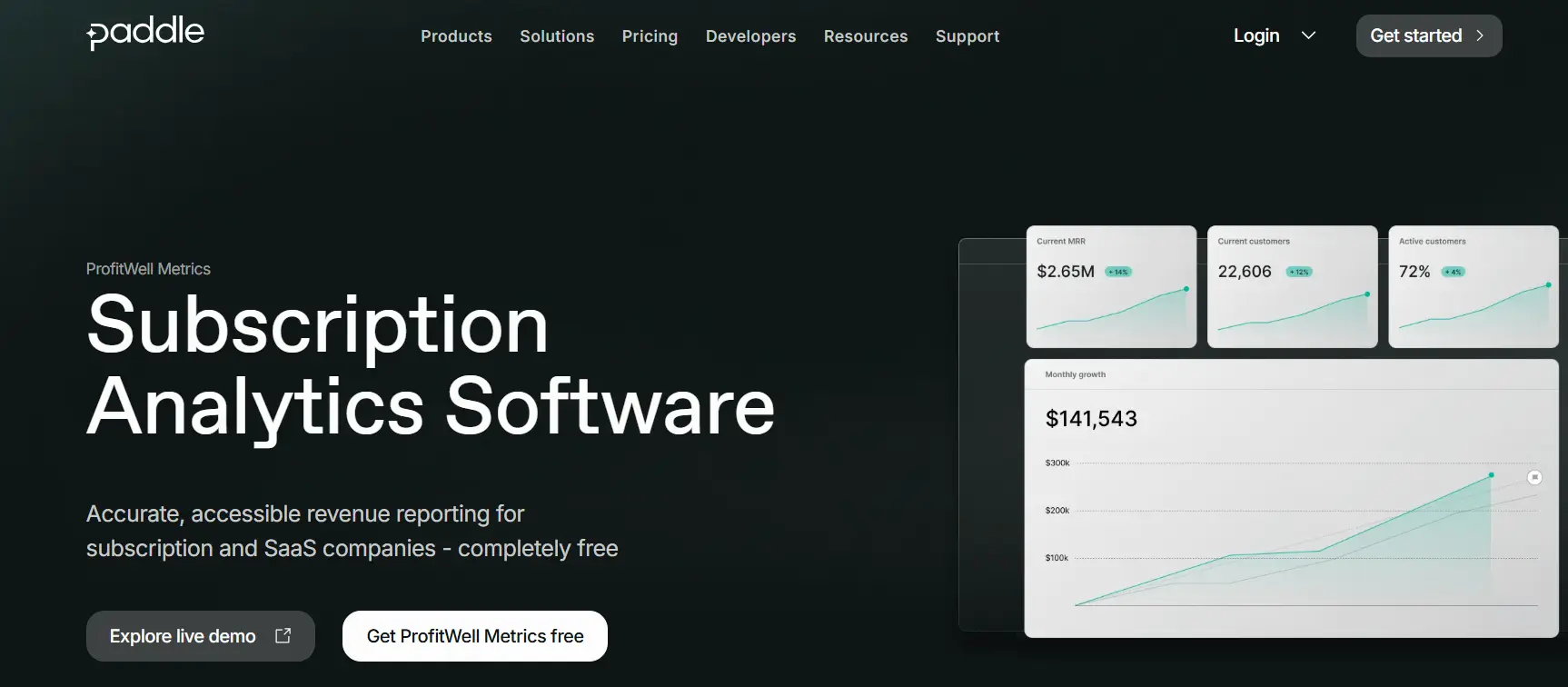
The biggest advantage of Paddle is its merchant-of-record model. That means Paddle absorbs a greater share of the tax and compliance burden, rather than simply passing it on to the seller.
This is a big deal for SaaS teams looking to expand internationally without building a mini tax operation in-house.Paddle isn't the cheapest looking option on paper in every scenario but that's not really why companies choose it. They pick it because it can remove a lot of back office friction from global SaaS billing.

Recurring billing through a card works, but it can be more expensive and more fragile than what some businesses expect and need.
Cards go bad, get replaced, or fail for avoidable reasons. Plus, standard card fees start to matter more when recurring volume increases or invoice sizes grow.If your business is founded on predictable recurring collection, a card-first setup might not be the most efficient setup.
GoCardless is built around bank payments, especially Direct Debit and Open Banking.
That makes it attractive for businesses that care about reducing payment costs, failed collections, and stabilizing recurring billing.This is a good option for companies where payments are not just a one-time event at the point of sale, but are repetitive, structured, and operationally important.
Stripe is a broad payments platform, that can be helpful but it also means it's not ready for every payment model. If a business wants crypto acceptance to be central to the buying experience, a traditional processor might feel like the wrong building block.This is especially the case when the product, customer base or payment flow is already built around wallets, tokens and crypto-native behavior.
0xProcessing is designed specifically for crypto payments. It supports wallet-based flows and broad blockchain coverage, which makes it a more natural fit for companies that want crypto to be a primary payment method rather than a side option.
For most businesses, this isn’t the right Stripe alternative. For the right businesses, it’s much closer to what they actually need.
Stripe is still a good option for a lot of small businesses, but when billing gets more complex, the question isn't “what's better than Stripe?” It’s “What exactly is Stripe not doing well anymore for my business?”
The right Stripe alternative depends on the specific limitation you're tyring to solve. Some tools are designed to align billing with contracts and finance systems, while others are focused on in-person sales, global tax, or payment methods.
The key is to match the tool to the operational gap, not the brand. Analyze your billing workflows, payment structure, and reporting requirements before chosing to make sure that your new system reduces manual work and keeps financial data consistent across teams.

Let’s compare KPI dashboard software to help your team track metrics, monitor trends, and choose the right tool.

TL;DR: SaaGrid is now Grid, and we’ve launched a powerful new billing product to help our customers fully unify their financial data.
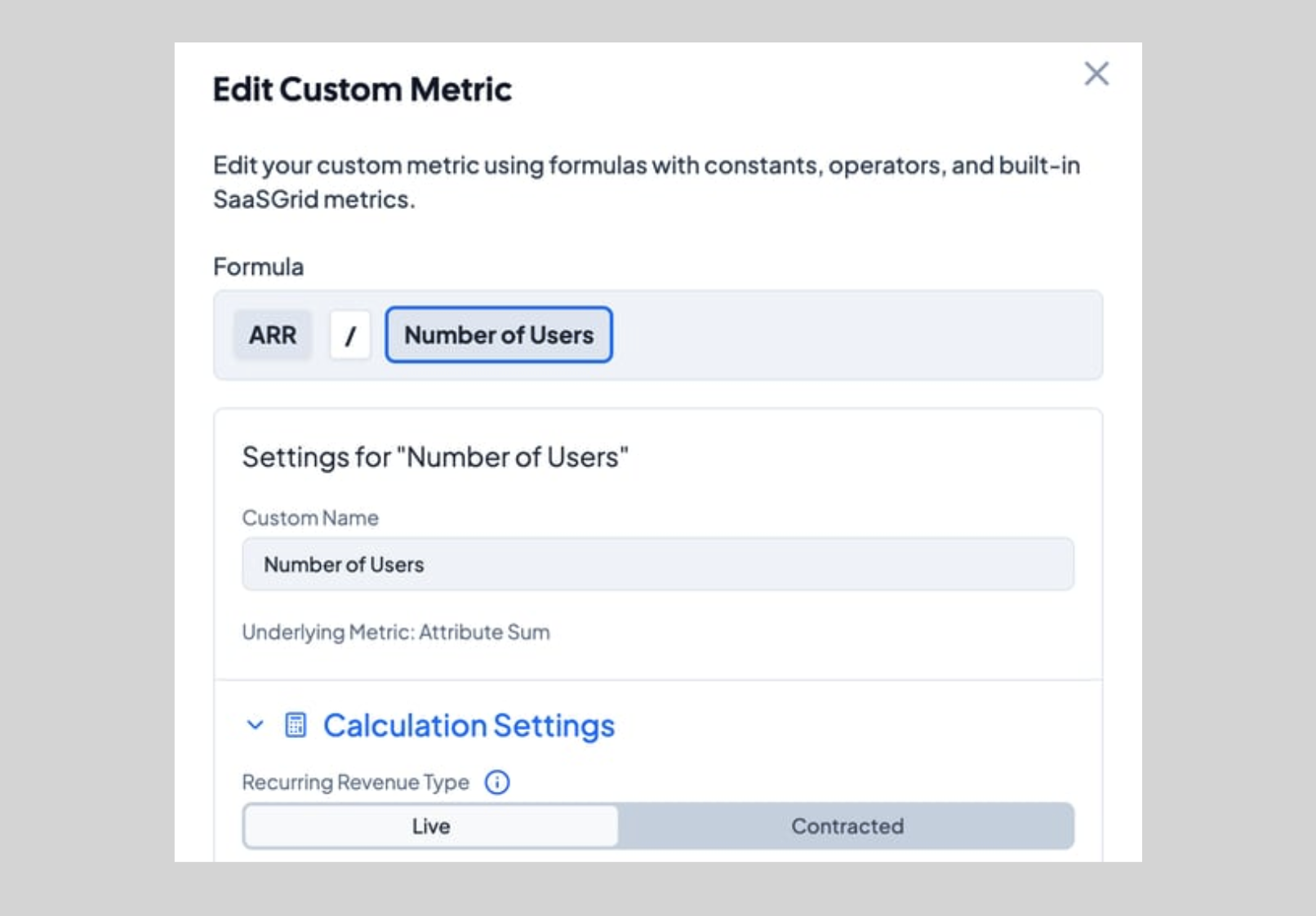
Build your own metrics and see your pipeline down to the day!
Compare five financial dashboard tools for SaaS teams and see which fits your revenue, reporting, and planning needs best.