SaaSGrid is now Grid! Read about our evolution here.
Over the course of my career as a venture investor and now as the founder of Grid, I’ve worked closely with hundreds of SaaS finance leaders. They all have the same mandate– to help the business allocate capital in a way that maximizes long term outcomes– and produce the same outputs towards that end: financial statements, board reporting, and an annual budget. Yet despite the uniformity of outputs, some CFOs are far more effective than others.
CFOs need to instill confidence that their data is accurate, extract key insights and trends, and forecast reliably, and then use these tools to steer the company towards improved performance. The ones that do this best aren’t successful because of their Excel wizardry or knowledge of accounting rules, but rather because of their command of their company’s inputs: the systems and processes used to grow revenue. Buttoned up metrics and modeling enable CFOs to forecast outcomes, but true command comes from knowing which input levers to pull to change outcomes.
This is especially true in SaaS, where business decisions are based on operational metrics, not the P&L. Finance needs to report on ARR and retention and update quarterly forecasts in real time as contracts get signed and renewed with customers. It takes an operationally minded CFO to understand sales and customer success workflows well enough to execute this reporting and get company leaders focused on what matters most. I’ve been in painful board meetings where the CFO rotely reads KPIs from a slide, and can’t answer questions about what’s driving the numbers. On the flip side, I’ve seen CFOs masterfully navigate difficult conversations about churn with a firm understanding of the gross and net retention metrics, and pointed commentary on the commonalities of churned accounts.
When a CFO is inputs driven, you start to see the impact throughout the company:
Of course, data hygiene issues can get in the way of these results. If sales is not updating the stages of their deals it’s difficult to create an accurate forecast. If contract terms aren’t being recorded on Opportunities accurately, customers can’t be invoiced automatically. If customer success isn’t utilizing the CRM for renewals, retention metrics won’t be accurate. And even if all this data exists in the CRM, it can take complex data science to extract it and merge it with ERP data. These issues can seem intractable, and lead many mediocre CFOs to shrug and go back to building their 5 year models. The inputs driven CFO, by contrast, rolls up their sleeves and works cross-functionally to fix these broken processes.
If you want to become more inputs driven, but wrangling data is getting in the way, Grid can help. Grid is the only financial intelligence tool built specifically for B2B SaaS companies. We merge data from your CRM, billing system, and ERP, and automatically calculate all the key metrics you need to run your business. As part of our onboarding process, we work with you to audit your CRM data and build a plan for improving it that’s simple for revops to implement and easy for sales to adhere to. If you’re ready to learn more, book a call with us today.


A practical look at five SaaS automation tools, comparing real user feedback on workflows, limits, and fit.
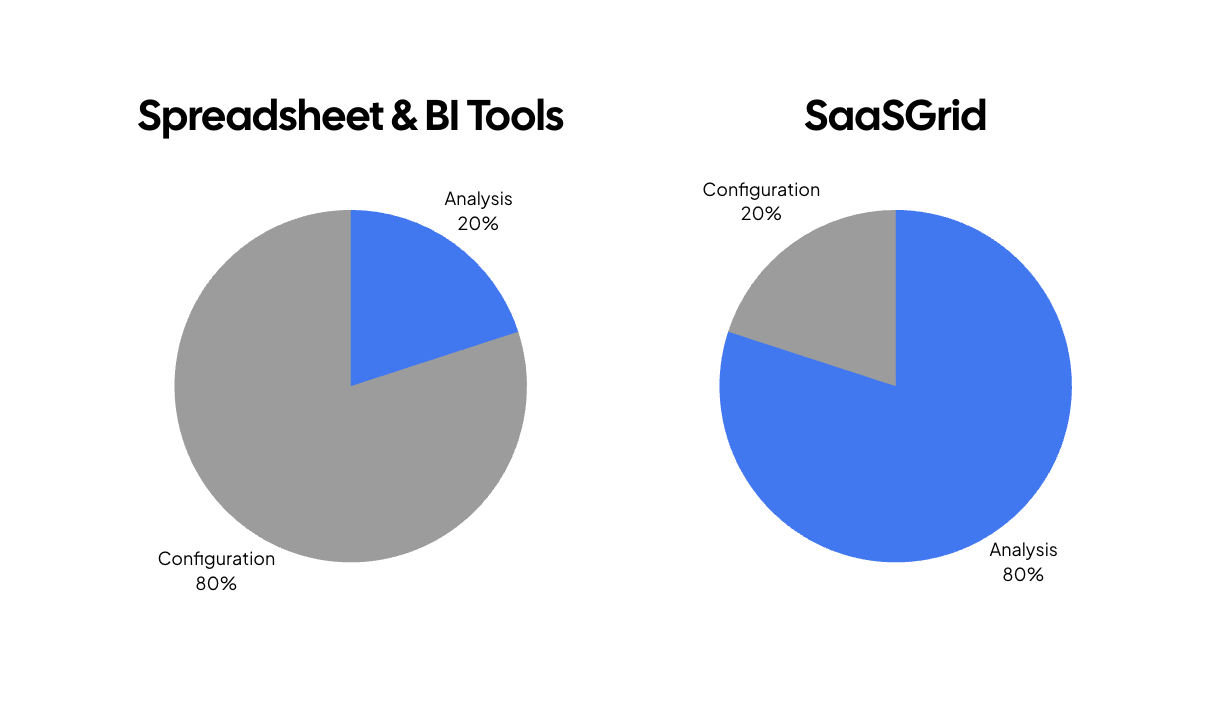
An all-in-one tool like Grid lets you track and visualize every dollar in your business automatically.
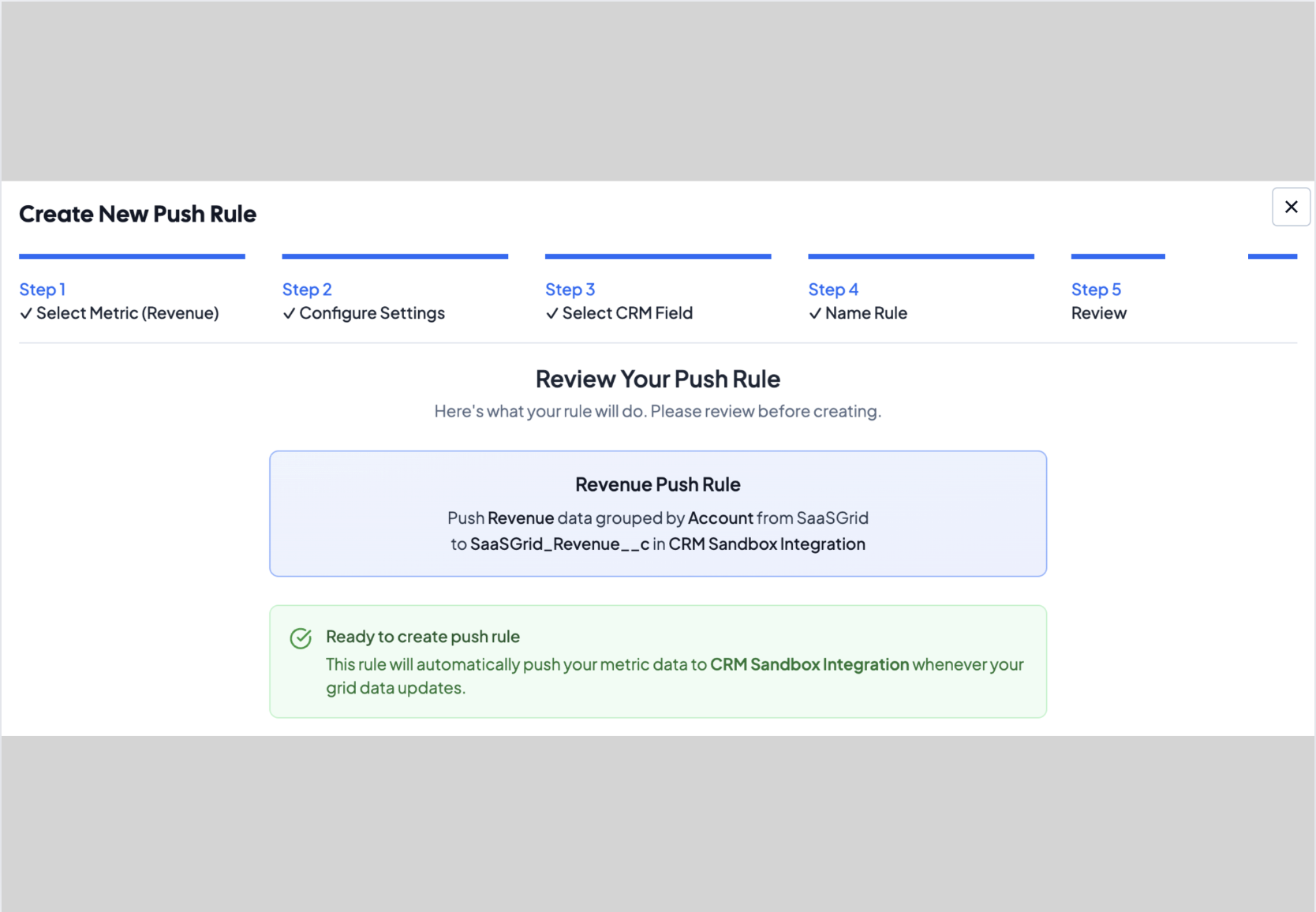
Push data from Grid and your integrations to CRM!

Explore Stripe alternatives and find the right fit for billing, payments, and finance workflows as complexity grows.